
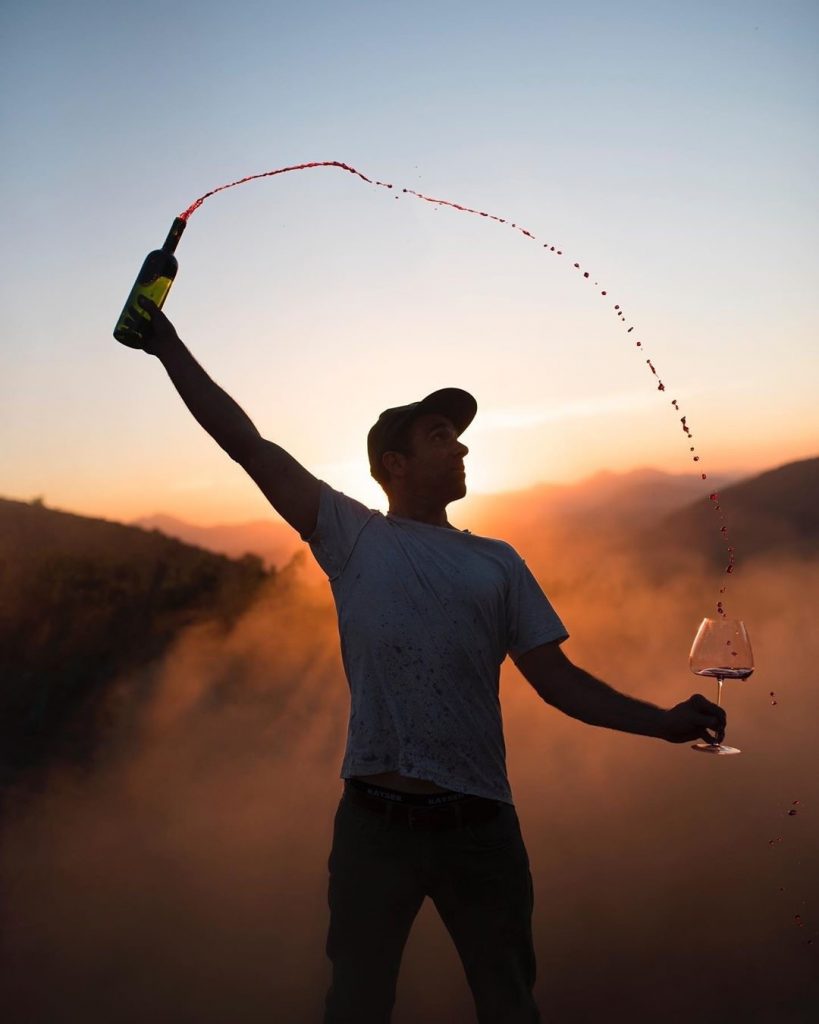


5 Hormigas
5 HORMIGAS – Región de Murcia (Yecla, Jumilla, Mula).
Small crew, big teamwork. Mediterranean landscape, no make-up.
5 Hormigas is a nomadic micro-winery born in 2015, built on one idea: respect the landscape and let native grapes speak without cosmetics. Their wines are meant to be a faithful snapshot of each vintage, shaped by climate, soils, vines and the ecosystem around them.
They work parcel by parcel across Murcia, bottling single-vineyard stories like La Vieja Encina (Yecla), Pino de las Águilas (Mula), and sites in Jumilla such as El Olivo and Pozancon Alto. The style is hands-on and straight: small lots, traditional farming, and a “no make-up” cellar mindset.
Their flagship Tocando el Suelo sets the tone: 100% Monastrell from Yecla (La Vieja Encina), planted in 1962 at around 790 m, dry-farmed and organic, harvested in small boxes, fermented in open-top vats, aged 12 months in used 500 L oak, then bottled by hand with no filtration or fining. Ant-level work. Big Mediterranean bite.
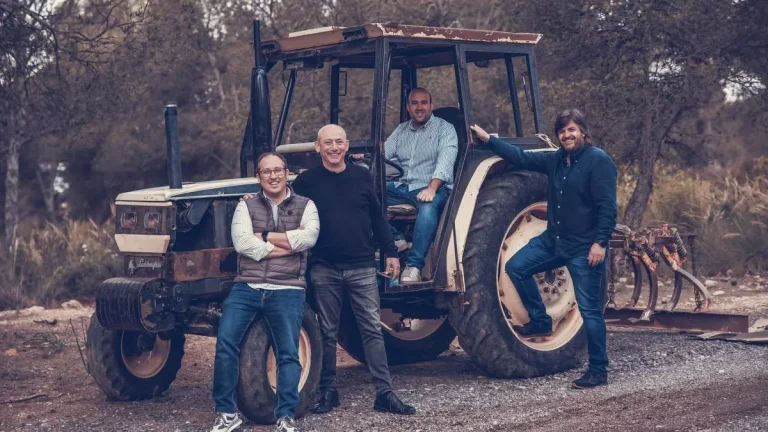
Altos del Enebro
Altos del Enebro is the personal project of winemaker Rodrigo González, born from his desire to work with his own vineyards within Ribera del Duero. After many years making wine for different projects, he decided to create an independent winery focused on vineyard work and limited production.
The vineyards are located in the Burgos area of the appellation, many of them at over 900 metres above sea level. At this altitude the ripening cycle is slower, allowing the grapes to retain a natural freshness that defines the style of the wines. Tempranillo is the backbone of the project, supported by small plots of traditional varieties.
Winemaking follows a precise yet respectful approach, aiming for each wine to reflect the character of the place it comes from. The result is a fresher, more vertical expression of Ribera del Duero, where the vineyard leads the way.
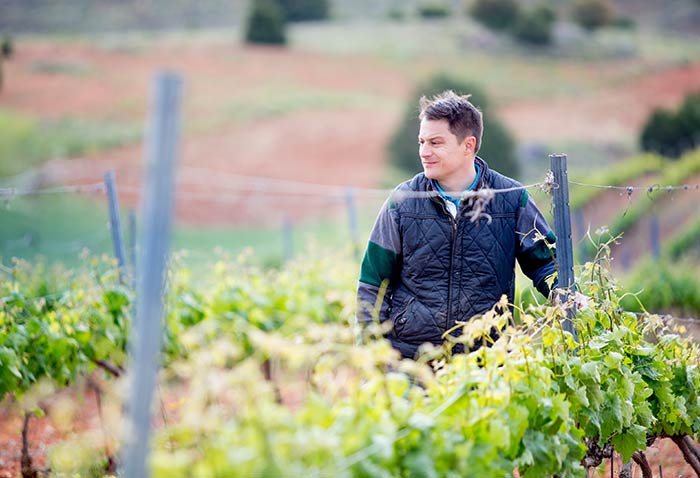
Atalaque
Méntrida (Gredos Foothills), Spain.
Sandy soil. Old vines. Zero excuses.
Atalaque is a single-parcel wine project rooted in the foothills of Sierra de Gredos, inside D.O. Méntrida (Fuensalida, Toledo). Here, the ground turns to sand — the kind of soil where phylloxera never really got a grip — so you still find own-rooted (pie franco), pre-phylloxera bush vines.
The core of the project is a small set of named plots — El Horcajo, La Peraleda, and Las Cárcavas — with Garnacha planted anywhere from 40 to 110+ years (and more) depending on the parcel. Alongside Garnacha, Atalaque works with Albillo Real (a tiny, limited bottling) and Moscatel de grano menudo, including a sweet Moscatel built on oxidative ageing in Setúbal casks.
The style? Burgundy mindset, Gredos attitude: Garnacha that aims for lightness, elegance and subtlety, but still punches with place and grit. This is farming-first, plot-by-plot work — often alongside local grower Santiago Peña — and wines that don’t try to be “perfect”… they try to be real.

Blanca Terra
Blanca Terra was born in the interior of Mallorca, far from the island’s tourist image, in an area where vineyards have been part of the agricultural landscape for generations. The project began with the initiative of Bernat Febrer, who decided to recover that family tradition and return to working the land in Montuïri.
The vineyards are located in the rural heart of the island, on clay soils and under a dry, bright Mediterranean climate. Here, local varieties such as Callet, Giró Ros and Premsal Blanc grow side by side — historic Mallorcan grapes that for many years remained in the background behind international varieties.
In the winery the goal is simple: to produce wines that reflect the character of the island without unnecessary intervention. Mediterranean wines that are direct and honest, expressing Mallorca through its agricultural landscape rather than its tourist postcard image.
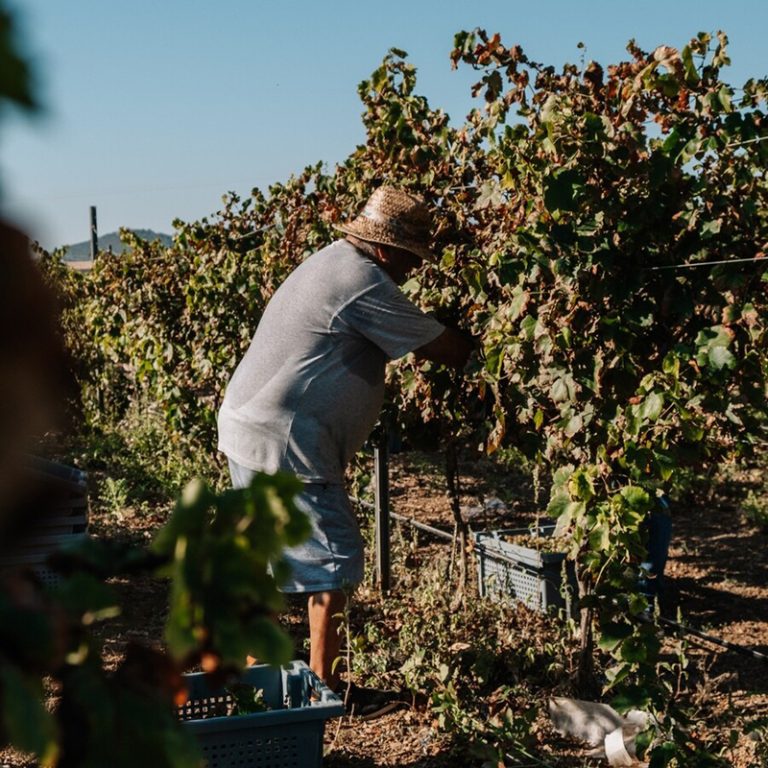
Celler Cecilio
Celler Cecilio is part of the recent history of Priorat. Founded in 1942 in Gratallops, it was one of the first wineries registered with the Regulatory Council when the appellation was established.
The vineyards grow on the steep llicorella slopes that define the landscape of Priorat. Garnacha and Cariñena dominate these plots, where the soil forces the vines to struggle and results in wines of intensity and strong identity.
Today the project remains in the hands of the family, who continue to work their vineyards while maintaining a balance between tradition and a contemporary vision of Priorat.
Dominio de Casalta
D.O. Almansa (Albacete), Spain.
The mother project. The origin story. No noise.
Dominio de Casalta is where Pepe Rodriguez de Vera took his first steps as a producer in 2010, making wine in his garage with grapes from a family property: Finca Casalta. Today it is still the same idea, just sharper.
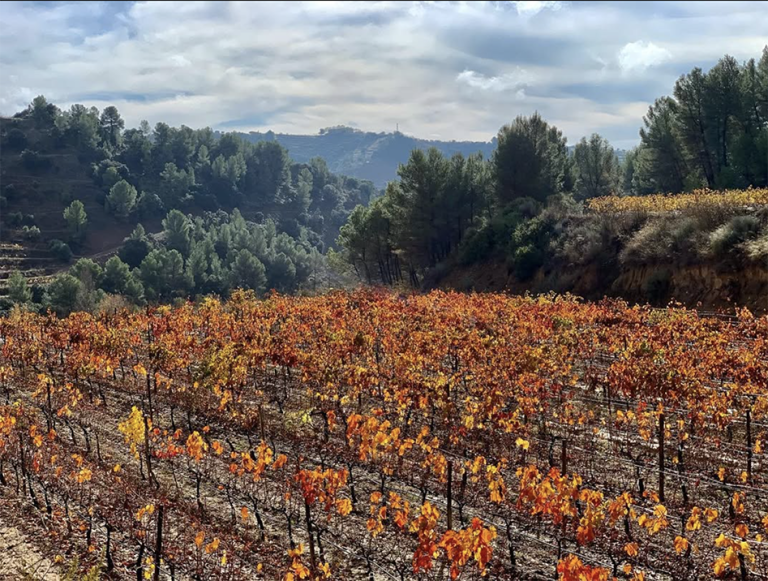
Set around 1,000 meters above sea level and surrounded by century-old holm oaks, Casalta is a rare inland corner built on contrast: warm days, cold nights, and a slow ripening that keeps natural acidity alive. The estate is farmed organically and planted like a mosaic, with soils ranging from sandy to clay with limestone rock, and vineyards up to 60 years old.
In the cellar, everything stays close to the ground: only estate fruit, small-batch vinifications by soil and variety, and minimal intervention. Garnacha Tintorera leads the local identity, while varieties like Pinot Noir and Petit Verdot show just how far this place can bend the rules and still deliver.
Dominio de las Ánimas
Dominio de las Ánimas is a young project located in Pago Balbaína, one of the historic vineyard sites of the Sherry region. The winery was founded by Thomas de Wangen and Lorna Cooper after many years working in wine import and distribution across Asia. Their return to Spain also meant a change of life: moving from working with wines from around the world to cultivating their own vineyards and exploring the potential of the terroir in this Atlantic region.
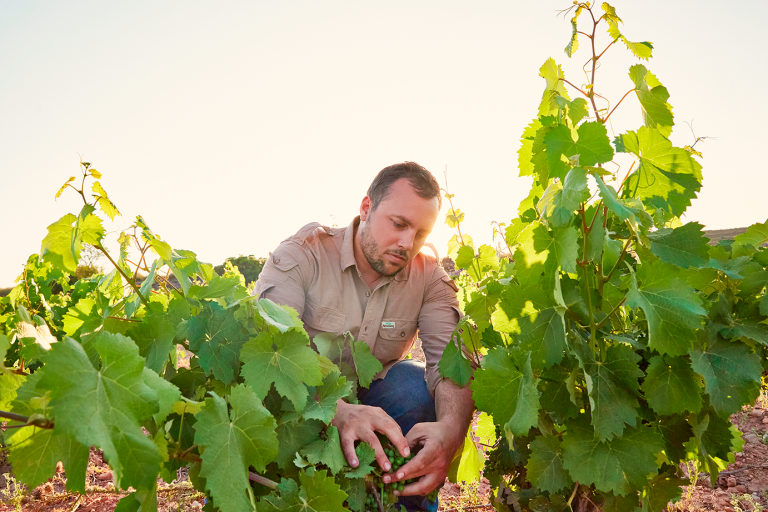
The vineyards are planted on albariza soils, the distinctive white soils of the Sherry region, where Palomino finds one of its purest expressions. Influenced by the proximity of the ocean and the Atlantic breezes, the vines are farmed following organic and regenerative principles. Alongside Palomino, the project is also working to recover historic varieties such as Tintilla de Rota and Vijariego, reinforcing the connection with the region’s traditional viticulture.
In the winery the focus is on placing the vineyard at the centre of the process. From these grapes come both single-parcel still wines and contemporary interpretations of the traditional wines of the Sherry region, including fortified styles. Limited productions and minimal intervention allow each wine to clearly express the character of the soil, the Atlantic climate and the landscape from which it comes.
Edra
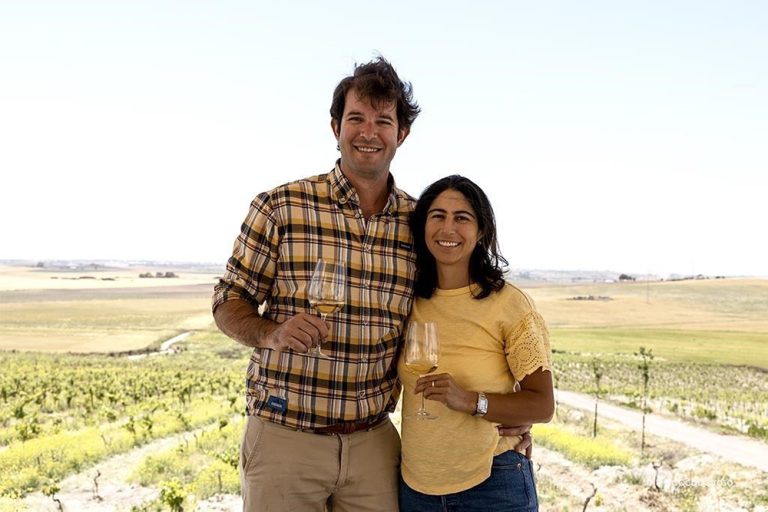
Edra was born in Ayerbe, at the foothills of the Pre-Pyrenees in Huesca, as a family project committed to reviving the region’s winemaking tradition. What began in the late 1990s as a small experimental vineyard eventually developed into a winery deeply connected to its landscape and its territory.
The vineyards are located in an unusual environment for wine: an area dominated by cereal fields, almond trees and scrubland, where the vines appear almost like an oasis within the agricultural landscape. The parcels are farmed with the aim of maintaining the natural balance of the vineyard, integrating it into the biodiversity of the surrounding environment. Garnacha, Tempranillo and Viognier grow in small plots, where manual work and careful observation of the vineyard shape each vintage.
In the winery the philosophy is to support the work done in the vineyard with as little intervention as possible. Edra is, above all, a way of showing that this corner of the Pre-Pyrenees also has an important voice in the map of Spanish wine.
Fabio Coullet
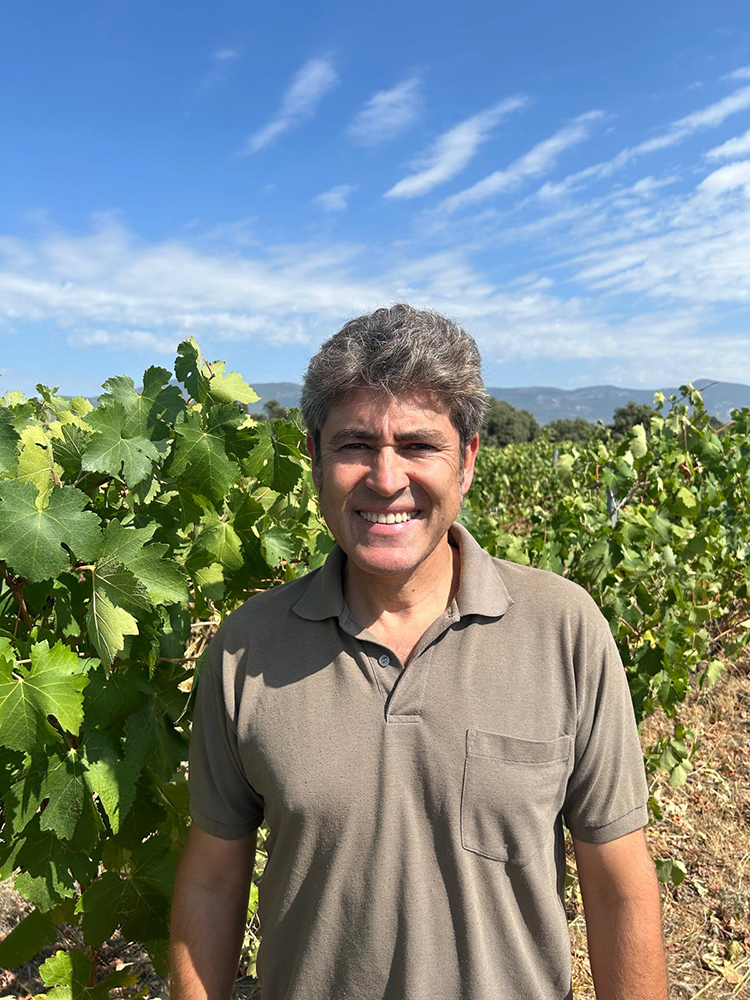
Fabio Coullet’s project was born from his personal connection to the vineyard landscape of Málaga’s Axarquía region. After more than twenty years working as an agronomist and winemaker on various international projects, he decided to return to this territory to develop his own vision of wine in one of the most unique wine regions in Spain.
The vineyards are located in an extreme landscape of mountains and ravines where slopes can exceed 70%. Here viticulture can only be done by hand, following the same rhythm that local growers have maintained for generations. On these slate soils grow historic varieties such as Moscatel de Alejandría, Pedro Ximénez, Doradilla and the almost forgotten Romé, grapes deeply connected to the identity of Axarquía.
The winemaking aims to preserve that authenticity. Intervention in the cellar is kept to a minimum and each wine seeks to clearly express the character of these Mediterranean mountains. The result is a range of wines that speak of a unique territory and of a style of viticulture that today survives in only a few places.
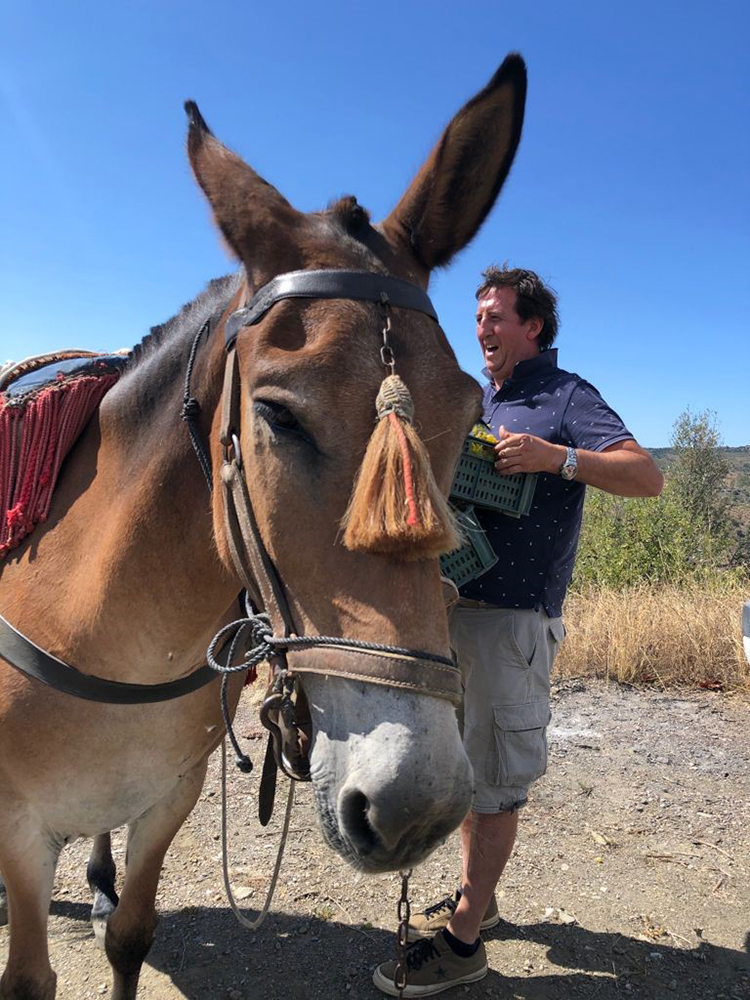
Los Insensatos
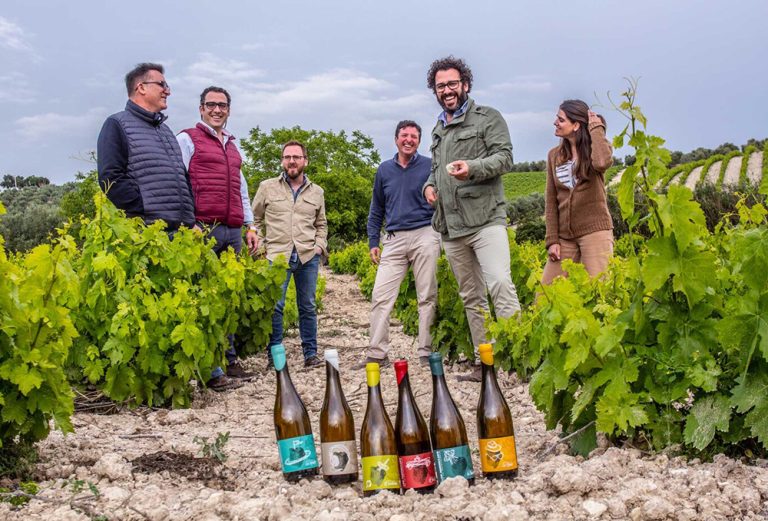
Los Insensatos was born from the friendship of several wine enthusiasts who decided to create their own project in Montilla. What began almost as an adventure among friends eventually became a winery that brings a fresh perspective to the rich winemaking heritage of this historic region of Andalusia.
The project takes place in the traditional pagos of Montilla, where albariza soils and a warm climate have shaped a very distinctive wine culture for centuries. Here Pedro Ximénez is the main variety. However, instead of following the classic path of the region’s fortified wines, Los Insensatos focuses on making vinos de pasto — table wines that reveal a different and more direct expression of the territory.
In the cellar the approach is free but honest. Small productions, careful winemaking and a way of understanding wine that leans more towards experimentation than following established formulas. The result is a range of vinos de pasto that express the personality of Montilla from a contemporary perspective, while maintaining a strong connection with the landscape and the region’s winemaking tradition.
María Pinacho
María Pinacho develops her project in Mucientes, within the Cigales appellation, a region historically known for its rosé wines and with a long winemaking tradition in the heart of Castilla. The project is led together with viticulturist Carlos González, both deeply connected to this landscape of old vineyards and small family-owned parcels.
At the heart of the project is a vineyard planted in 1945 by Aurelio Pinacho, the grandfather of the current producer. These old bush-trained Tempranillo vines, naturally low-yielding, are part of a traditional style of viticulture that has shaped the agricultural landscape of Cigales for decades.
The work focuses on respecting the character of the vineyard while offering a contemporary perspective on this historic rosé region. Limited productions and careful winemaking highlight the identity of a territory that remains one of the great wine landscapes of Castilla.
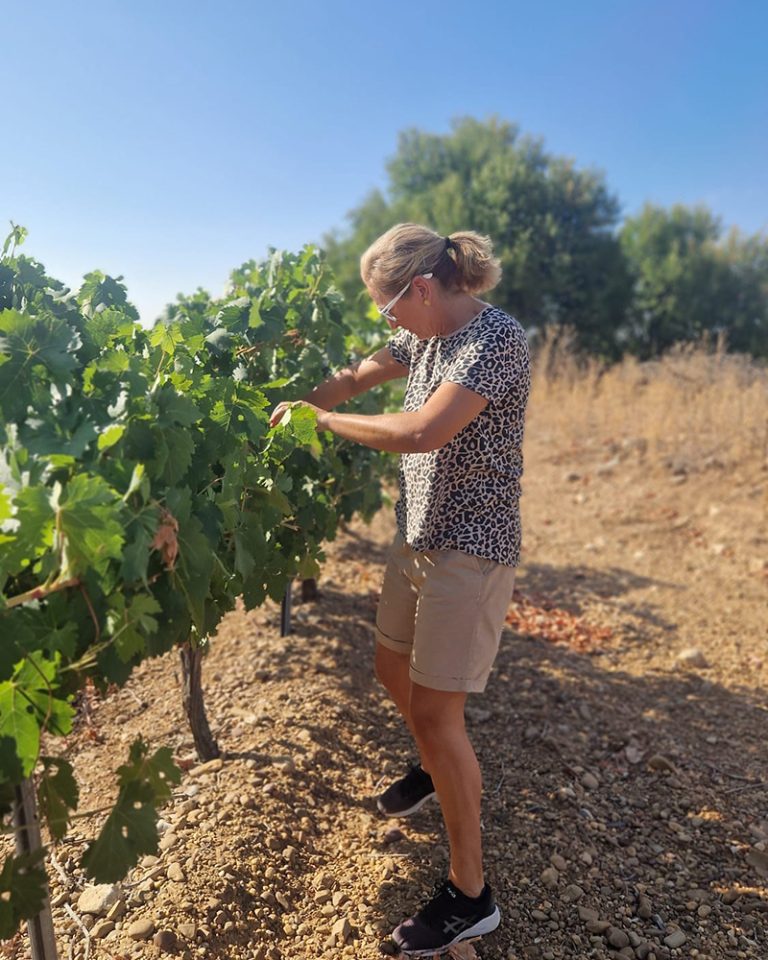
Mascorrubí
Heretat Mascorrubí is located in Pla de Manlleu, one of the highest areas of Penedès. The estate has a history that goes back centuries, linked to the former lands of the Templar castle of Celma, and today it remains an agricultural landscape where vineyards coexist with forest and Mediterranean woodland.
The vineyards are planted at more than 500 metres above sea level, in an environment where native varieties still play a central role. Montònega, Sumoll and Garnacha grow in these vineyards, farmed according to organic, regenerative and biodynamic principles, with the aim of maintaining the natural balance of the ecosystem.
Winemaking follows the same philosophy: minimal intervention and maximum attention to the vineyard. Spontaneous fermentations and careful vinifications accompany the work done in the vines, allowing each wine to clearly express the character of this corner of Penedès.
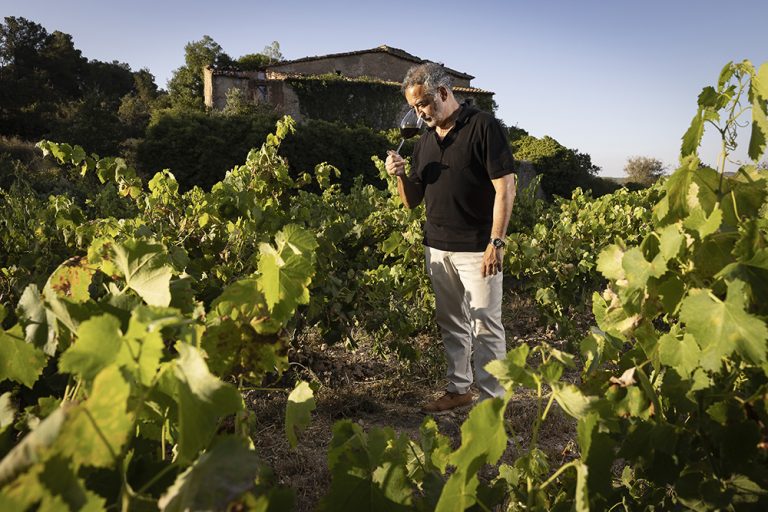
Sentencia
Bodegas Sentencia was founded in Los Pedrones, a small village near Requena, as a project focused on recovering old family vineyards that had long been overlooked within the modern production model. The idea is simple: to restore the value of these historic parcels and demonstrate the potential they still hold.
The vineyard is the true heart of the project. Old bush-trained Bobal vines that are part of the traditional wine landscape of Utiel-Requena. These are low-yielding vineyards that produce grapes with strong personality, allowing wines that are deeply connected to the Mediterranean territory where they grow.
In the winery the approach is straightforward and without unnecessary intervention. Careful vinifications and limited productions aim to preserve the identity of each parcel. The goal is for every wine to clearly express the character of Bobal and the landscape that surrounds it.
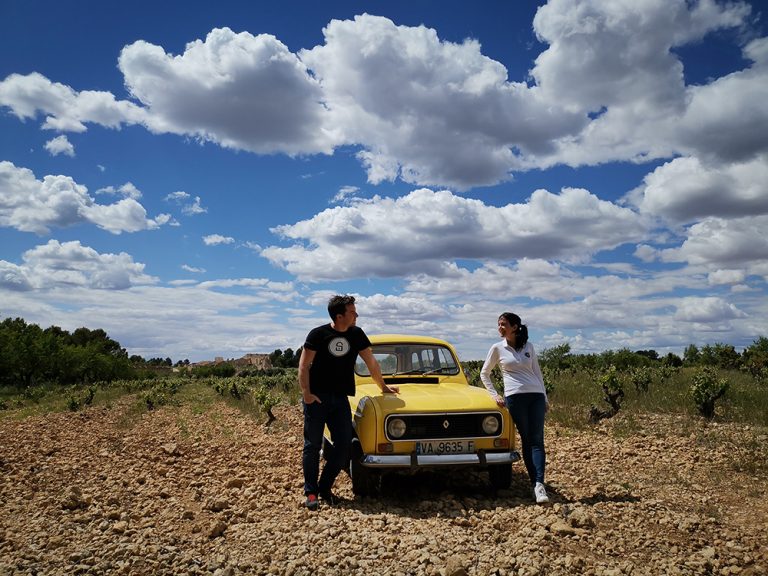
Sopla Levante
Comunidad Valenciana.
Salt, sun, and zero make-up.
Wines born close to the sea, shaped by warm light, wild herbs and that addictive salty edge. Some of the key vineyards sit in and around Parque Natural de La Mata (Torrevieja), where the landscape writes the wine before the cellar even starts.
The lineup speaks Levante fluently: aromatic whites like Moscatel and Merseguera, and reds with bite like Bobal and Monastrell. The goal isn’t polish — it’s character: fresh, direct wines that smell like citrus peel, dry scrubland and sea breeze.
In the winery, it’s minimal intervention with a street-smart brain: indigenous yeasts (sometimes started right in the vineyard with a pied de cuve), small-batch work, and textures built with time on lees or selective ageing choices (yes, even the occasional Cantueso cask for extra Mediterranean attitude). Unfiltered energy, bottled with the volume turned up.
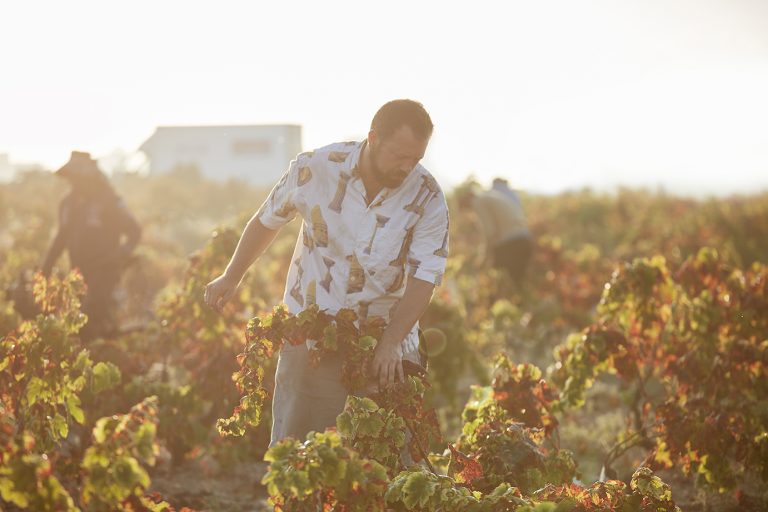
Sopla Poniente
Andalucía (Montilla-Moriles & the Sherry Triangle).
Negociants with a southern wind. A dirty obsession with old casks.
Sopla Poniente is the project of Pepe Rodríguez de Vera and Carlos Jiménez López-Quecuty, working with top southern cellars across Montilla-Moriles and the Sherry Triangle. The method is simple and brutal: go bota by bota — sacristy corners, forgotten barrels, living soleras — until they find a cask with real identity.
From there, it’s precision, not cosmetics: tiny sacas, careful blending when it adds something, and a long-term mindset where special casks are kept alive and refreshed over time so the character stays consistent without draining the story.
And it’s not only fortified legends. Since 2021 they’ve also pushed Montilla-Moriles into still, non-classic territory — vinos de pasto and other small experimental runs (orange, ancestral, etc.), often from Pedro Ximénez and Montepila. Limited, hard to find, impossible to ignore.
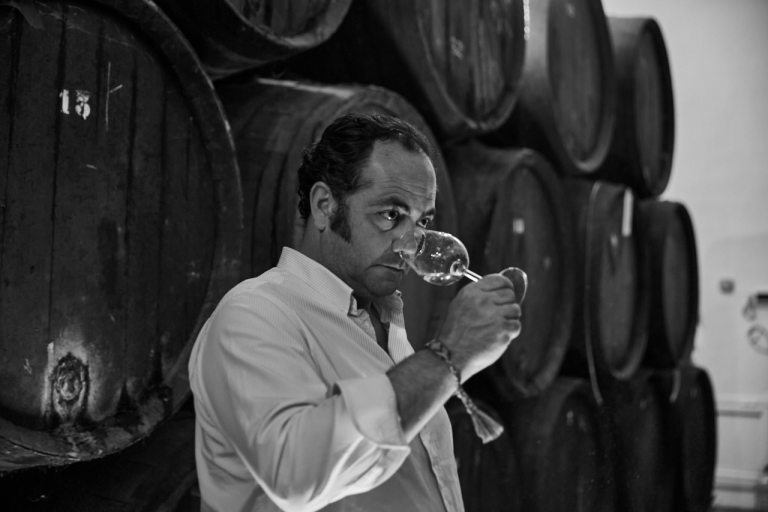
Viñadores de Castilla
Castilla y León (Rueda, Toro, Ribera del Duero).
Heritage restoration crew. Old vines, new attitude.
Viñadores de Castilla is a rescue movement built to keep ancient vineyards alive and put them back on the map. The focus is small, old majuelos with proven adaptation to their environment, the kind of plots that were ignored, mistreated or simply left to die. Here, the vineyard runs the show.
The work spreads across key areas of Castilla y León, mainly Rueda, Toro and Ribera del Duero, always chasing places with real history and real character. In the cellar, the rule is minimum intervention and maximum respect for the fruit, with a side mission that gets properly dangerous: reviving old local styles like vino dorado and palo de madrigal, but with a modern, clean edge.
Expect tiny, personality-first wines: old-vine Verdejo (including a Spain-first, pine-resin Retsina-inspired twist) and serious reds from Tempranillo and Tinta de Toro. Less polish. More truth.
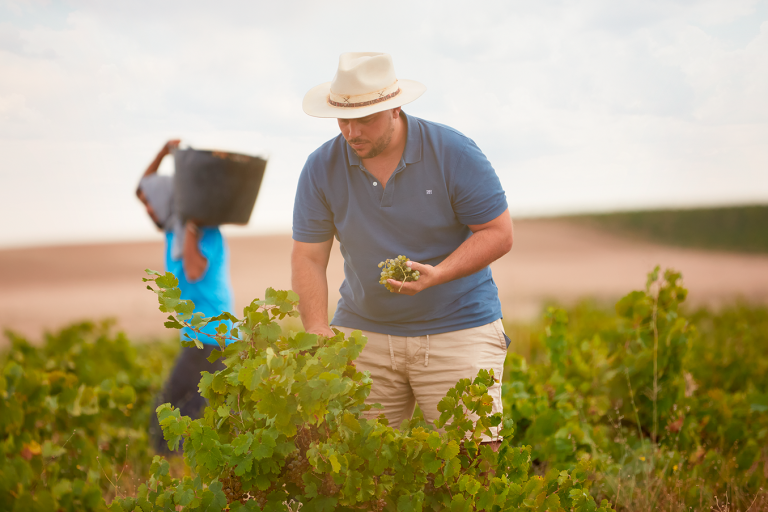
Viñadores del Norte
Rioja Alavesa (Lanciego).
Heritage rescue crew. Old vines, no mercy.
Born with a clear mission: bring forgotten northern vineyards back to life, starting in Rioja Alavesa. The focus is brutal and simple — plots with history, neglected or abused, that still have the bones to make great wine.
They specialise in old vines, including vineyards over 100 years old in Lanciego, recovered through farming first and patience second. In the cellar, the rule is minimal intervention: the vineyard leads, the winemaking follows. Traditional local ideas are revisited with a modern, clean edge — not to polish the wine, but to let it finally speak.
Two signatures set the tone: Guardalobos, a selection of old Tempranillo vineyards from Rioja Alavesa aged 12 months in French oak, and a tiny, rare Clarete co-fermented from Tempranillo and Viura with a subtle touch of flor character. Small production, big identity — Rioja with its collar undone.
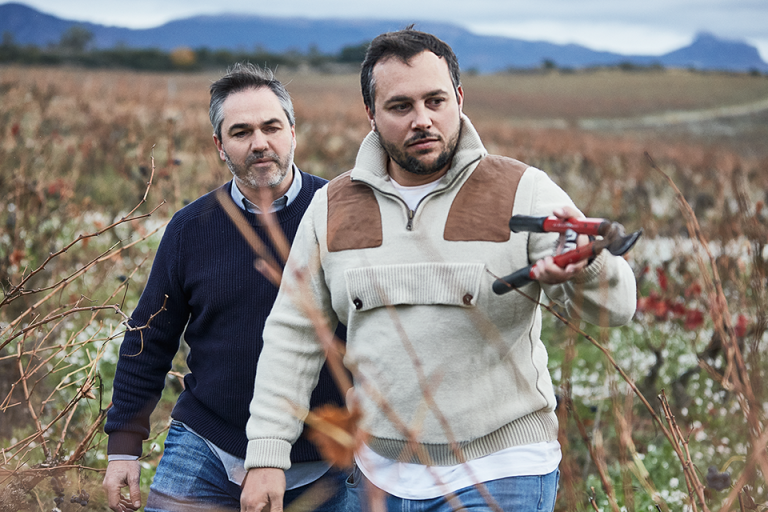

Burning International Markets with Authentic Spanish Wines.